
Plus Size
Accessories
About
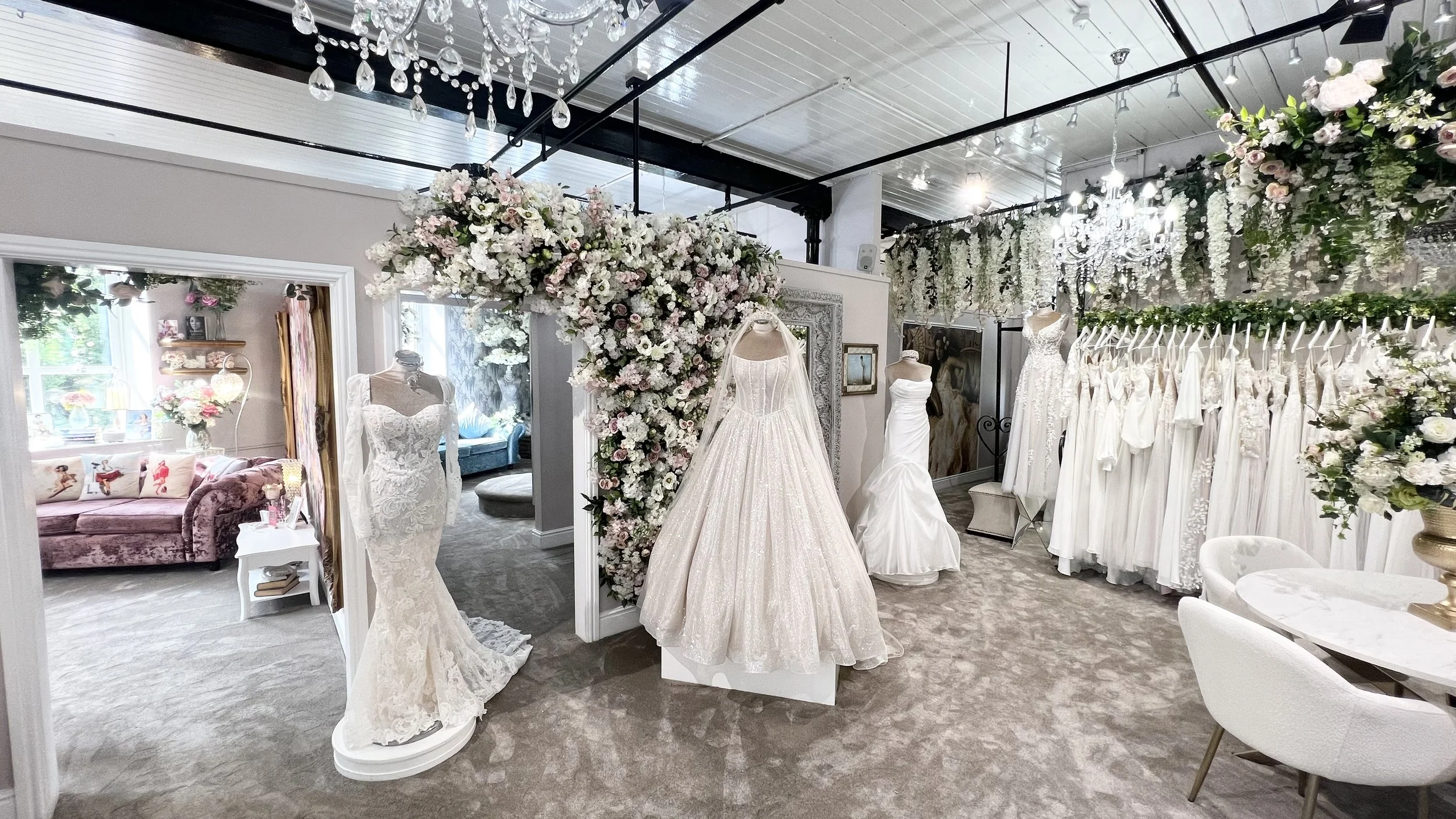
South London's Leading Bridal Store Since 1977

Our Story
Three generations. Nearly 50 years. Every bride who walks through our doors becomes part of the story.
Discover Our Story
Our Consultants
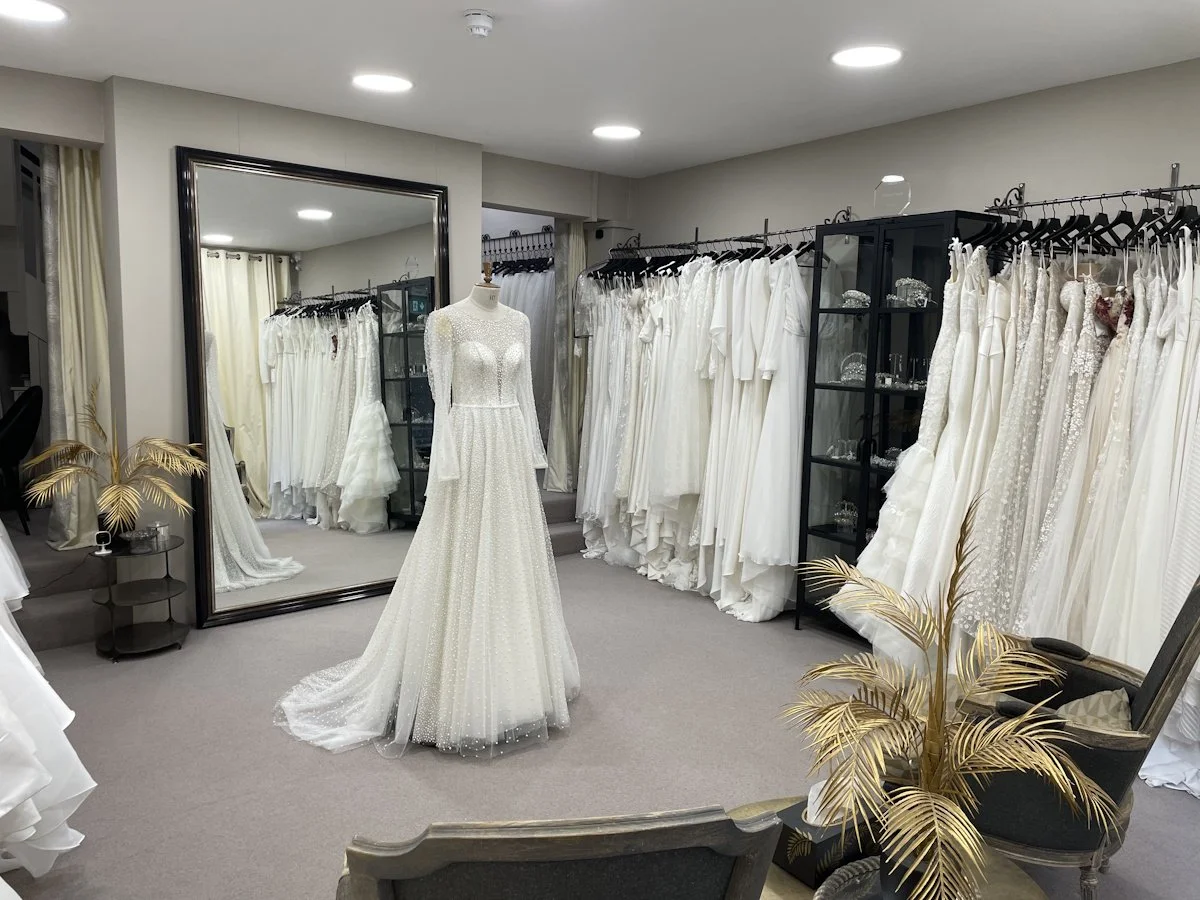
Our Boutique
Real Brides, Real Moments
A glimpse of the moments that made it all worth it.
Real Bride
See them in Action
Classic wedding dress style at London Bride, South London

Classic Wedding Dresses

Timeless silhouettes that never go out of style
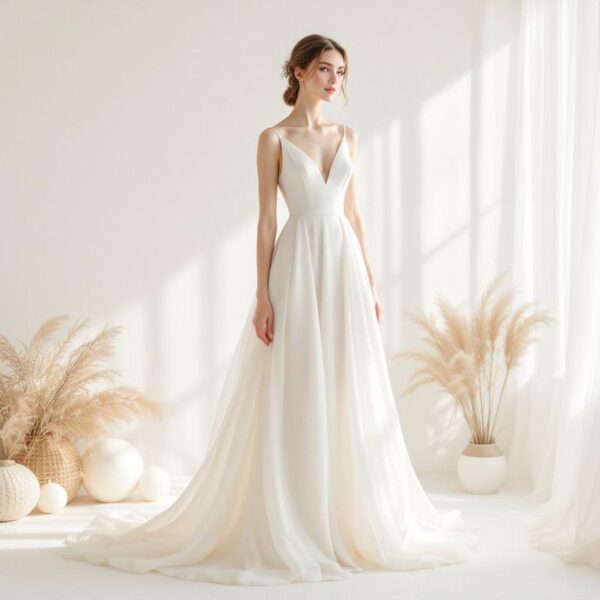
Classic wedding dresses are defined by what endures. Traditional silhouettes, refined fabrics, and elegant detailing create a look that feels as right today as it will in photographs decades from now. This style avoids fleeting trends in favour of established proportions and proven shapes. At London Bride, our classic collection features structured ball gowns, refined A-lines, and beautifully constructed lace gowns that have stood the test of time across generations of brides.
Can't find 'the one'?
Our boutique holds many more styles than we can show online. Book an appointment and our consultants will help you find your perfect dress.

What Makes a Classic Wedding Dress Timeless

Read more Show less

The Hallmarks of Classic Bridal

Classic wedding dresses share certain characteristics that give them their timeless quality. Established silhouettes like A-line, ball gown, and fit-and-flare in their most refined forms. Traditional fabrics like satin, organza, and quality lace. Elegant necklines such as sweetheart, bateau, and illusion. Trains that range from sweep to cathedral length. The overall impression is one of polish and refinement, a dress that would look at home in a wedding photograph from any decade because it doesn't rely on the trends of any particular moment.

Classic vs Conservative

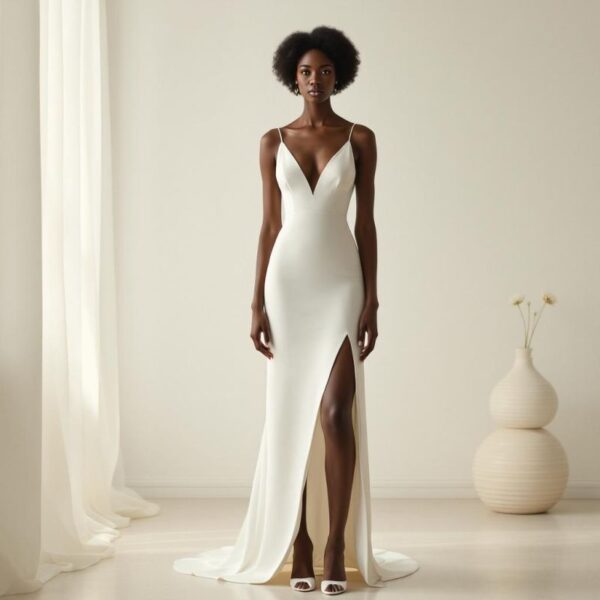
Classic doesn't mean covered-up or rigid. A classic gown can have a plunging back, a fitted silhouette, or a dramatic slit. What makes it classic is the execution: refined proportions, quality construction, and design choices that feel considered rather than provocative. A strapless sweetheart A-line is classic because the proportions are proven. An illusion-back gown with button detailing is classic because the design choice is enduring. The word describes an approach to design, not a level of modesty.

Investing in Something That Lasts

One of the strongest arguments for choosing a classic design is longevity. Trend-driven dresses can feel dated within a few years, which is noticeable when you look back at photographs. A classic gown looks just as beautiful in twenty years as it does on the day. If preserving or passing down your dress matters to you, or if you simply want photographs that don't scream a particular era, the classic approach is the safest investment. The quality of materials and construction in classic gowns also tends to be high, because the design relies on them.

A classic wedding dress uses established silhouettes, refined fabrics, and elegant detailing that doesn't follow temporary trends. Think A-line and ball gown shapes, quality lace and satin fabrics, sweetheart or bateau necklines, and details like button backs and trains. The result is a dress that looks as timeless in photographs twenty years from now as it does today.
The terms overlap significantly. Both describe dresses with established, proven design elements. If there's a nuance, "traditional" sometimes implies more conservative choices around coverage and formality, while "classic" can include bolder elements like plunging backs or fitted silhouettes, as long as they're executed with enduring style. In our collection, classic dresses span a range of modesty levels.
Only if the fit and fabric aren't right. A well-fitted classic gown in a beautiful fabric is anything but boring; it's quietly powerful. The beauty of classic design is in the details that reveal themselves up close: the quality of the lace, the precision of the seaming, the way the fabric catches the light. These are dresses that feel more impressive in person than in a thumbnail photo, and they let you, not the dress, be the centre of attention.
Classic dresses pair beautifully with traditional accessories: a cathedral or chapel-length veil, pearl or diamond jewellery, elegant court shoes, and a structured bouquet. That said, you can modernise a classic dress with unexpected accessories, statement earrings, colourful shoes, or a contemporary hairpiece, to add personality while keeping the foundation timeless. The dress provides a versatile canvas for whatever accessories feel right to you.
Yes. Classic silhouettes like the A-line and ball gown are some of the most universally flattering shapes in bridal. The emphasis on quality fit and construction means classic gowns are often better at accommodating different body types because the design relies on proven proportions. We carry classic styles across our full size range and our stylists specialise in finding the right classic silhouette for each bride's figure.
Classic describes a timeless design approach that doesn't reference a specific era. Vintage-inspired dresses deliberately draw from the aesthetics of a particular decade, whether that's 1920s beading, 1950s structure, or 1970s bohemian. A classic dress could be from any era because it avoids the defining details of any one period. In practice, many dresses blend both: a classic silhouette with a vintage-inspired detail like a particular lace pattern or button style.

Ready to Find Your Classic Wedding Dress?

Book a personal styling appointment at our South London boutique
magnifiercrosscross-circle